$ cat about.md
About
I like to take things apart. I always have.
Before I was eight, my mother had already lost a typewriter and a coffee pot to my curiosity. I can’t say I’ve improved much. I’ve just moved on to things that are more expensive and harder to put back together.
These days, that usually means systems.
Sometimes it’s a security program or a business process that everyone complains about but nobody quite owns. Sometimes it really is a server rack. And occasionally I’d rather stop thinking about technology altogether and just weld something.

I think I’ve always been interested in the same question: how does this actually work?
Not how the diagram says it works, or how we explained it when we bought it. I mean what really happens once people, deadlines, exceptions and years of small decisions get involved.
That’s where it gets interesting.
I’ve spent most of my career in technology and security, often in places where something still had to be built. I’ve been the first security hire four times and have held executive leadership roles spanning technology, security, and risk. Much of that work has involved helping engineers, customers, executives, and boards make sense of complicated problems and decide what actually needs to be done.
I still like doing the work, too.
There’s something satisfying about being close enough to a problem that you can see what’s really going on. I’ve never been particularly interested in technology through a good marketing campaign lens. A beautiful architecture diagram doesn’t help much if everyone has discreetly learned to work around it.
The same is true of security.
I’m less interested in whether an organization can say it has a control than whether the control does what everyone thinks it does. I want to know what happens on the bad Tuesday afternoon when the assumptions don’t hold.
That’s mostly what I write about here.
One of the first security principles I learned was least privilege. The idea is basic. Give something only the access it needs to do its job, and no more.
After all these years, I still think it’s one of the foundations of good security. Technologies change, architectures change, and the threats certainly change, but unnecessary access is still unnecessary access. The principle has held up remarkably well.
It probably also appeals to the minimalist in me. Less unnecessary complexity, less authority nobody needs, fewer permanent exceptions, and fewer things kept simply because nobody remembers why they’re there.
I don’t write because I have a content calendar to fill. Sometimes something has been bothering me, or I’ve noticed something that doesn’t quite add up. Other times I just get interested in something and want to noodle on it for a while.
Writing helps me work out what I think. If I can explain an idea without hiding behind jargon, I usually understand it better too.
That’s probably why writing feels a little like taking things apart. Sometimes I put them back together differently, and sometimes, like the coffee pot, it probably would have been safer if I’d left them alone.
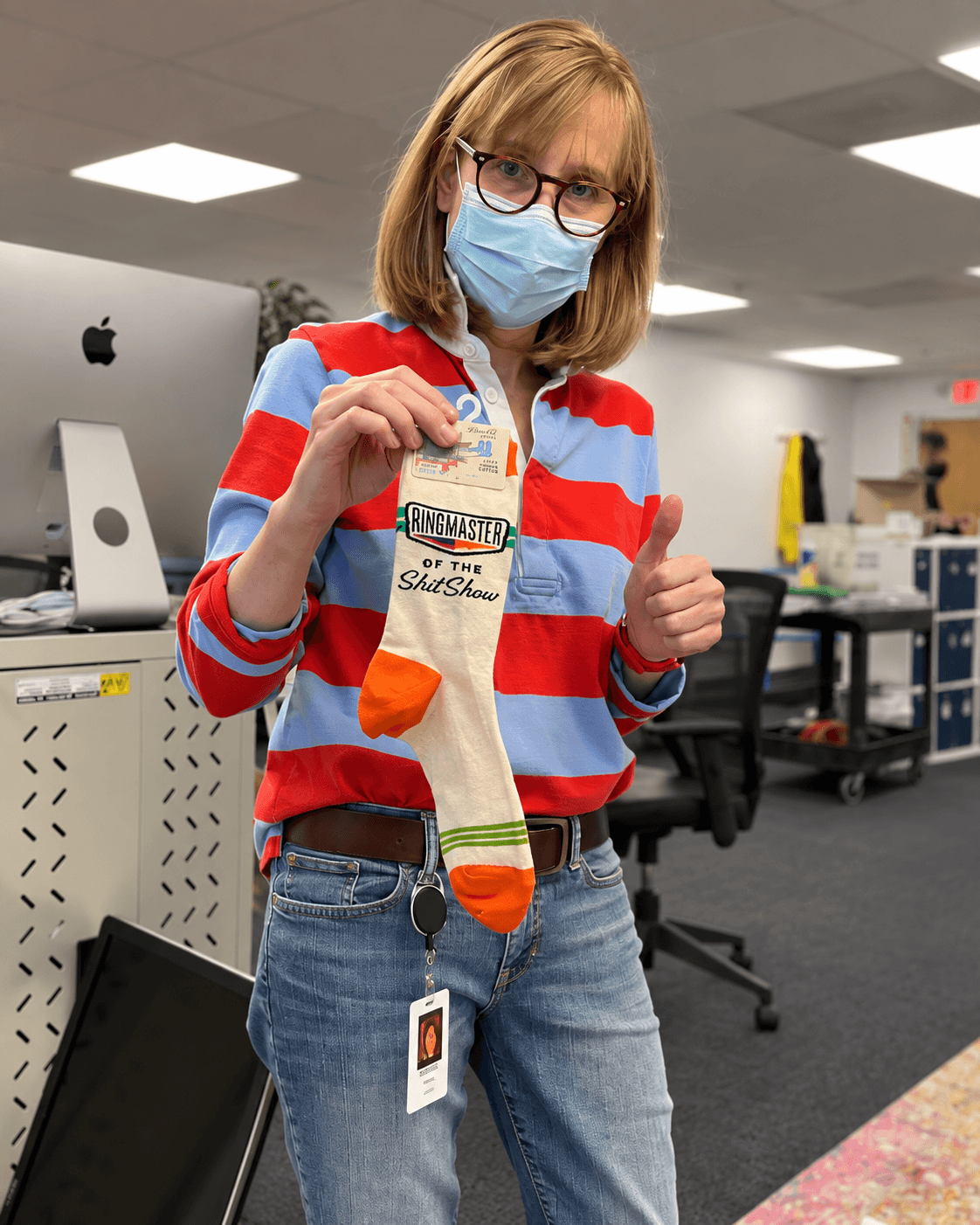
Apparently my colleagues know me well. The perfect Christmas gift.